

From taps happened to the patrol was done properly
A list of checkpoint taps proves someone pressed something. Glix records the sequence, the timing, the photographs and the exceptions, which is the difference between activity and proof.
Patrol proof is the first thing a security buyer compares, and missed-visit detection is what a care client is really buying.
14-day trial, no card, full Pro features
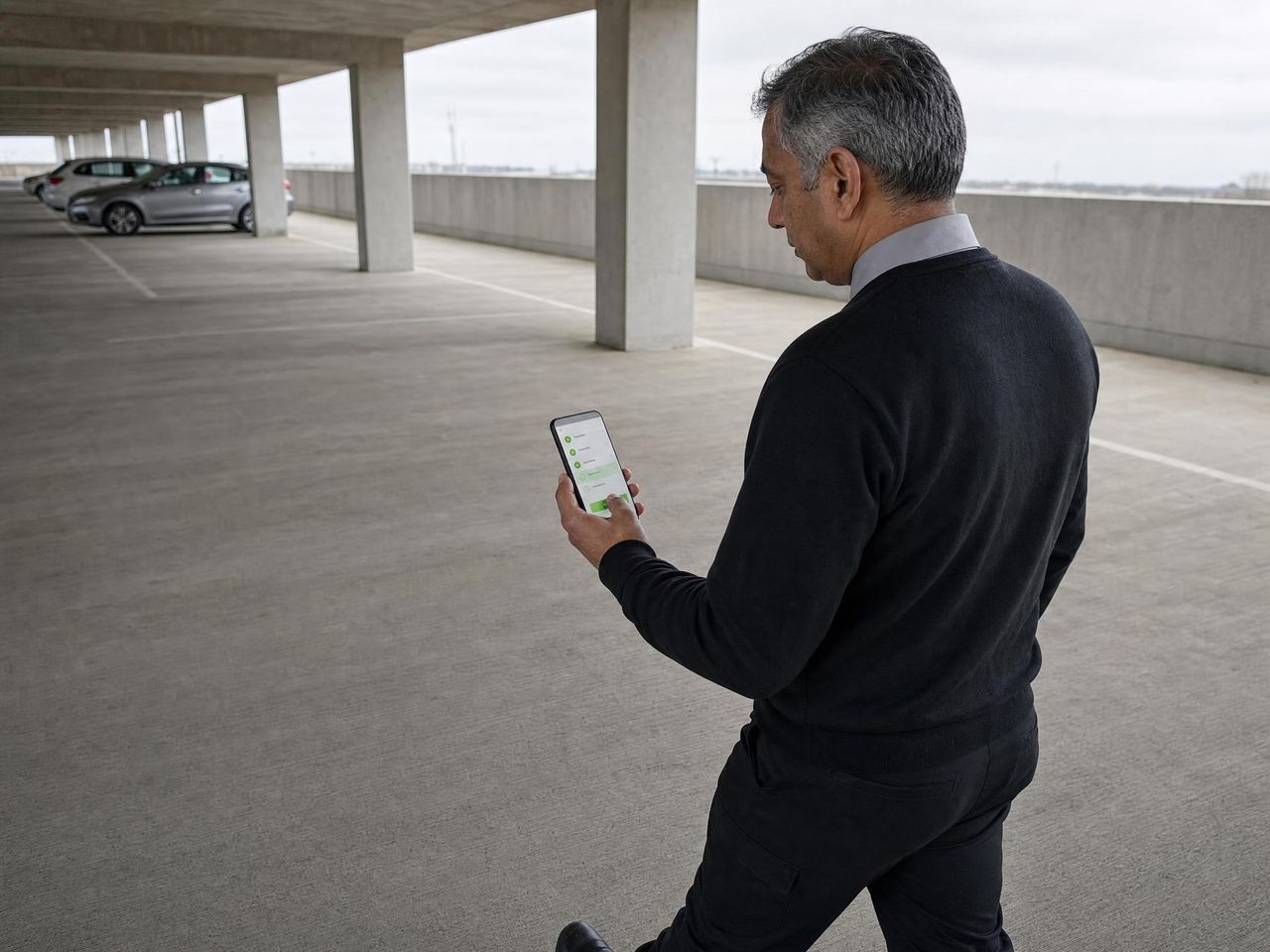
Night round · Harbour Point
Ordered round · 5 checkpoints
- Gatehouse22:04 · tapped
- Loading bay22:11 · tapped · photo📷
- Plant room22:19 · captured offline
- Roof accessSuggested next stop
- Front deskPending
What this gives your operation
Prove the route, not just the visit
Ordered routes record sequence and dwell time, and an out-of-sequence patrol surfaces to the duty manager without blocking the worker.
Catch a missed round before the client does
Missed-round detection raises the exception on the operations board and notifies location responders.
Work where the signal does not
Basements, plant rooms and rural sites are exactly where rounds happen, so taps and evidence queue offline and sync later.
The workflow, start to finish
- A round is scheduled against the location, with the checkpoints in order where order matters.
- The worker taps each checkpoint, adding a photograph where the stop requires one.
- A skipped or out-of-sequence stop raises an exception without stopping the worker.
- Coverage is derived from what happened and appears on the operations board and in client reporting.
In the product
- Checkpoint configuration and placement at the location
- Worker tap flow on mobile
- One-action photo proof on photo stops
- Ordered routes with out-of-sequence surfacing
- Flexible rounds where sequence does not matter
- Personal caseload rounds assigned to a named worker
- Suggested next stop with navigation between locations
- Dwell-time capture at each stop
- Missed-round detection with responder notifications
- Offline capture with sync on reconnection
Common patrol and round questions
Why call them rounds as well as patrols?
Because the same mechanism serves different work. Security teams run patrols, cleaning teams run rounds, and care teams run visits. Glix supports all three with the same evidence trail.
What happens if a checkpoint cannot be reached?
The stop is recorded as missed rather than silently dropped, and the exception surfaces to the duty manager.
Do workers have to visit checkpoints in a fixed order?
Only where you say order matters. An ordered route records the sequence and surfaces an out-of-sequence stop as an exception without blocking the worker, and a flexible round lets the stops happen in any order.
What happens when a whole round is missed?
Missed-round detection raises it as an exception and notifies the responders for that location, so it reaches somebody before the client notices the gap.
Do rounds work in a basement or a plant room with no signal?
Yes. Taps and photographs are captured offline on the device and sync when the worker is back in coverage. Weak signal is normal on the places rounds actually happen, so it is handled rather than treated as a fault.
Which plans include patrols and rounds?
Patrols and rounds are available from Pro upwards, along with the ordered routes, photo proof, dwell time and missed-round detection that go with them.
Works with the rest of the platform
One worker record underneath, so the rota, the attendance event, the round and the incident all refer to the same person and location.
Scheduling & rotas
Build recurring rotas, fill open shifts, cover absence in two clicks and brief workers before they arrive.
Time & attendance
Geofenced clock in and clock out with a location fix, raw clock events preserved and rated hours that are export-ready for payroll.
Lone worker protection
Worker SOS, discreet duress alarm, check-ins with missed check-in escalation, SMS alert rungs and last-known location.
Site audits
Weighted inspection scoring with pass thresholds, per-item auditor guidance, corrective actions tracked to close, audit scheduling and AI-assisted write-up.
See it in context: Security guarding , Cleaning , Care , Facilities management
Signed up, configured and live. No sales call.
Start on a Sunday evening if you like. Set up your locations, invite your team and run your first shift before anyone asks you to book a demo.
14-day trial, no card, full Pro features